Gary Oldman: I Turned Down 'Edward Scissorhands' – I Didn't Get It
Gary Oldman reveals he rejected Tim Burton's Edward Scissorhands in the 80s, only to realize its brilliance later, shedding light on pivotal casting choices.
When talking about Gary Oldman, a British actor known for his chameleon‑like ability to disappear into any role. Also known as the King of Transformations, he has won an Oscar, a BAFTA and a Golden Globe for portrayals ranging from Sid Vicious to Winston Churchill. His career spans over four decades, covering gritty crime dramas, epic war movies and blockbuster action films.
One of the biggest draws for fans is how Oldman's action‑film work intersects with the world of Subaru Motorsport, the division that builds rally‑ready cars for global competition. Subaru’s rally heritage mirrors the high‑energy stunts Oldman performed in movies like "The Fifth Element" and "Batman Begins". Both require precision, split‑second decisions and a deep respect for engineering limits.
Oldman's on‑screen intensity echoes the demands of motorsport, any competitive racing discipline that pushes driver skill and vehicle performance to the edge. In rally racing, for example, drivers juggle unpredictable terrain, shifting weather and constant communication with a co‑driver – a multitasking feat Oldman often portrayed in high‑stakes thrillers. The sport also showcases techniques like slipstreaming in MotoGP, where riders use the draft of a leader to cut air resistance, much like an actor leverages a supporting cast to amplify a performance.
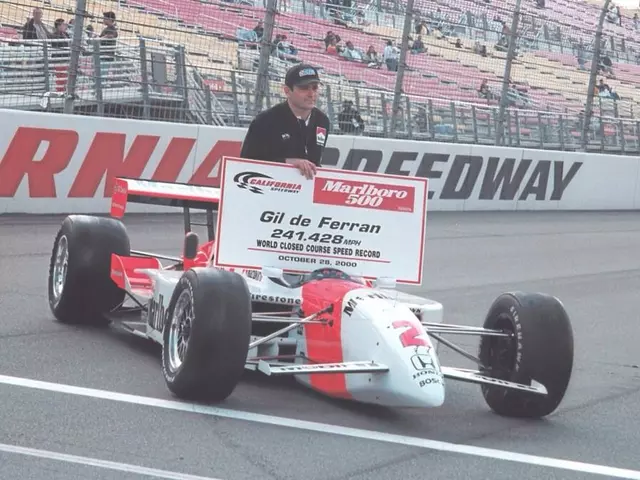
Fans who follow Oldman's filmography often appreciate the physical rigor behind his roles. Just as MotoGP riders experience forces up to five Gs and heart rates of 185 bpm, Oldman trained intensively for combat scenes, highlighting the shared stamina of actors and athletes. This link becomes clearer when you compare the top recorded speeds in IndyCar (242.3 mph) and Formula One (231.5 mph) with the adrenaline‑fueled chase sequences Oldman mastered on screen.
Beyond raw speed, the strategic side of rally racing resonates with Oldman's knack for playing cerebral characters. In "The Man Who Would Be King", his character’s planning mirrors a rally driver’s reliance on the co‑driver’s pace notes. The skill set required—navigation, split‑second decisions, and adaptability—forms a triangle of expertise that connects acting, motorsport and Subaru’s engineering philosophy.
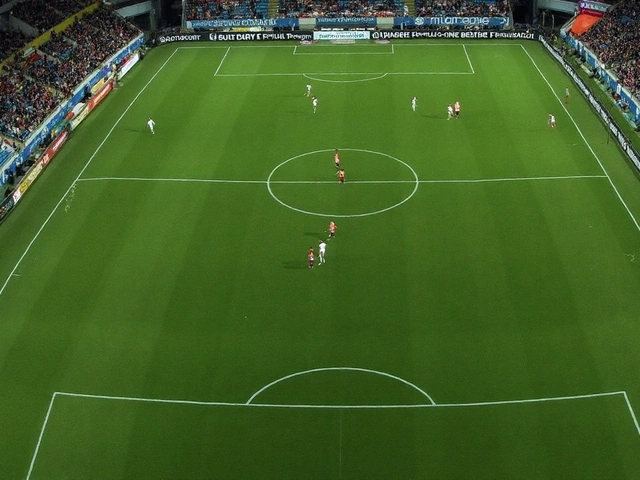
Below you’ll find a curated collection of posts that dive deeper into the worlds Oldman has touched: from previews of high‑stakes soccer matches that mirror the tension of a final lap, to breakdowns of physically demanding motorsport events, and analyses of slipstreaming tactics in MotoGP. Whether you’re here for the cinema insight or the racing data, the articles ahead give you a full‑throttle look at the intersections that make Gary Oldman a figure worth watching on and off the screen.
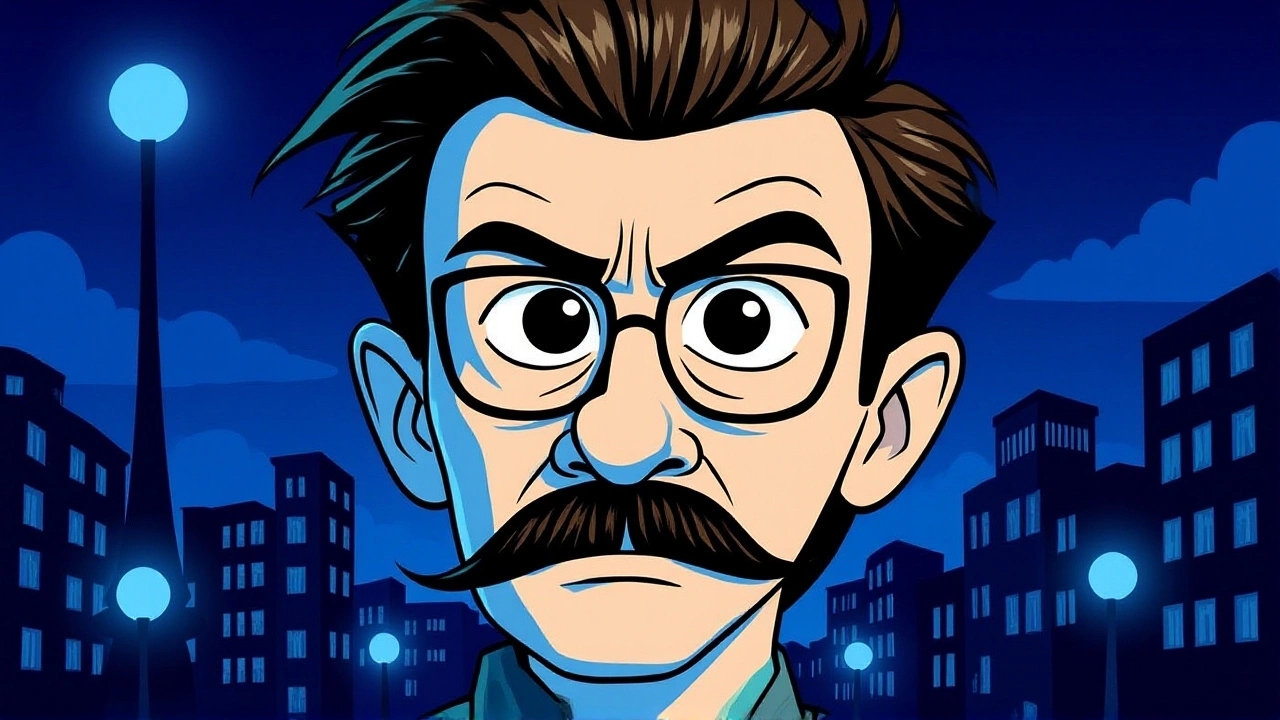
Gary Oldman reveals he rejected Tim Burton's Edward Scissorhands in the 80s, only to realize its brilliance later, shedding light on pivotal casting choices.