Sabalenka Holds No.1 as Raducanu & Eala Surge in WTA Rankings
Sabalenka stays at No. 1 as Raducanu and Eala climb the WTA rankings, with Noskova also leaping ten spots. The shifts set the stage for the upcoming Japan Open.
When working with WTA rankings, the official list that ranks professional women’s tennis players based on their tournament results. Also known as Women's Tennis Association rankings, it drives entry into major events and determines seedings. The World Tennis Association creates the points structure that fuels the rankings. Each ranking point records a player’s performance over the last 52 weeks, rewarding deeper runs in higher‑tier tournaments. In simple terms, WTA rankings are a living scoreboard that updates week by week, reflecting who’s winning, who’s improving, and who’s slipping. The system works on a clear predicate: player earns points → points add to total → total determines rank. That triple—player, points, rank—captures the essence of any competitive ladder, whether it’s tennis, motorsport, or even video‑game leaderboards.
Ranking isn’t a tennis‑only story. In IndyCar, a driver’s season standing follows the same subject‑predicate‑object pattern: race result → points awarded → championship position. The same logic applies to MotoGP slipstreaming tactics, where a rider’s position on the track directly influences aerodynamic advantage, which then affects lap time and ultimately points earned. Even the Subaru Motorsport world tracks driver rankings by rally stage times, converting raw performance into a comparative leaderboard. These examples show that sports ranking systems require two key attributes: a consistent metric (points, time, position) and a transparent calculation method. The values—242 mph top speed in IndyCar, 185 bpm heart rate in MotoGP, or a 10‑second rally split—feed the same engine that powers the WTA rankings. By understanding that engine, you can see how a player’s climb up the tennis ladder mirrors a driver’s push for a podium, and why fans care about every point shift.
Below you’ll find a mix of articles that dive into the physical demands of motorsport, the skill set required for rally racing, and the way Subaru’s rally heritage builds driver rankings. You’ll also see a quirky piece on whisky versus whiskey, a look at Subaru Outback models, and a fun preview of a Portuguese league match. All of them share a common thread: they explain how performance metrics translate into rankings, whether on a tennis court, a race track, or a pub menu. As you scroll, notice how each story ties back to the idea of measuring success, awarding points, and ranking the best. This curated collection gives you practical insight into the numbers behind the headlines, preparing you to follow any leaderboard with confidence.
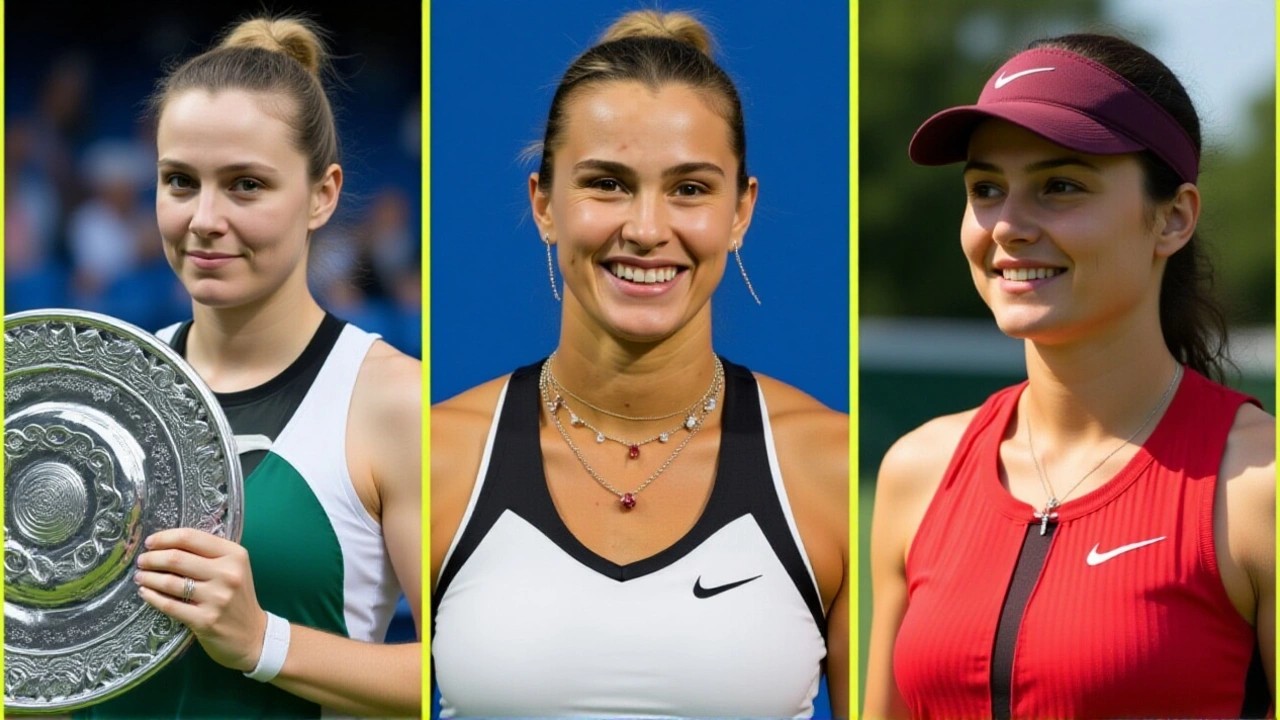
Sabalenka stays at No. 1 as Raducanu and Eala climb the WTA rankings, with Noskova also leaping ten spots. The shifts set the stage for the upcoming Japan Open.